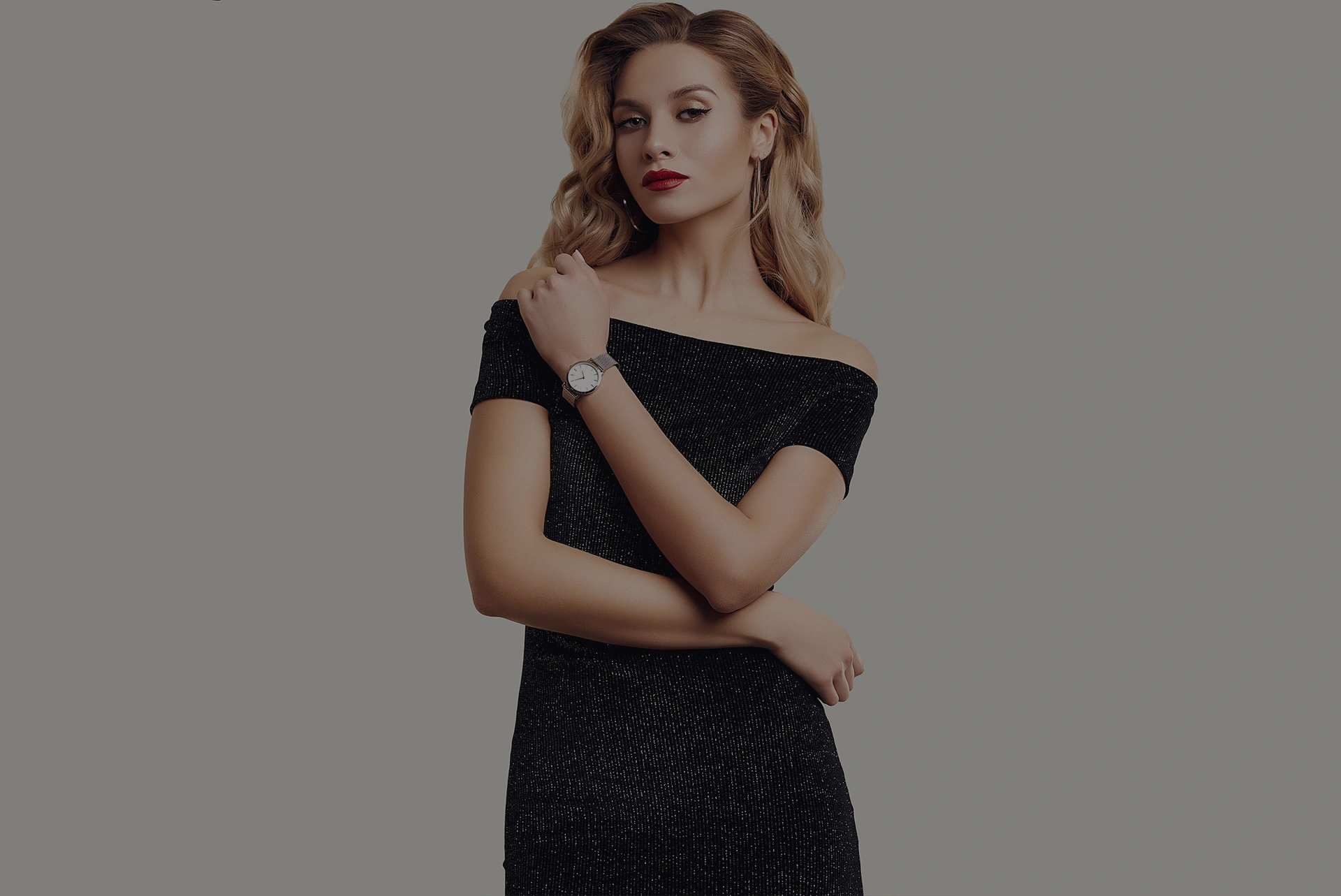
The Professional World of Modeling and Beauty
Beyond the runway, professional discipline, artistic expression, and personal branding shape a successful modeling career.
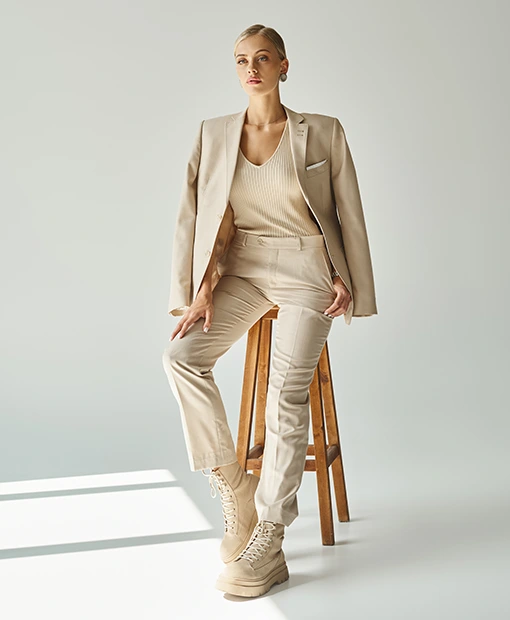
Navigating the Currents of Modern Fashion
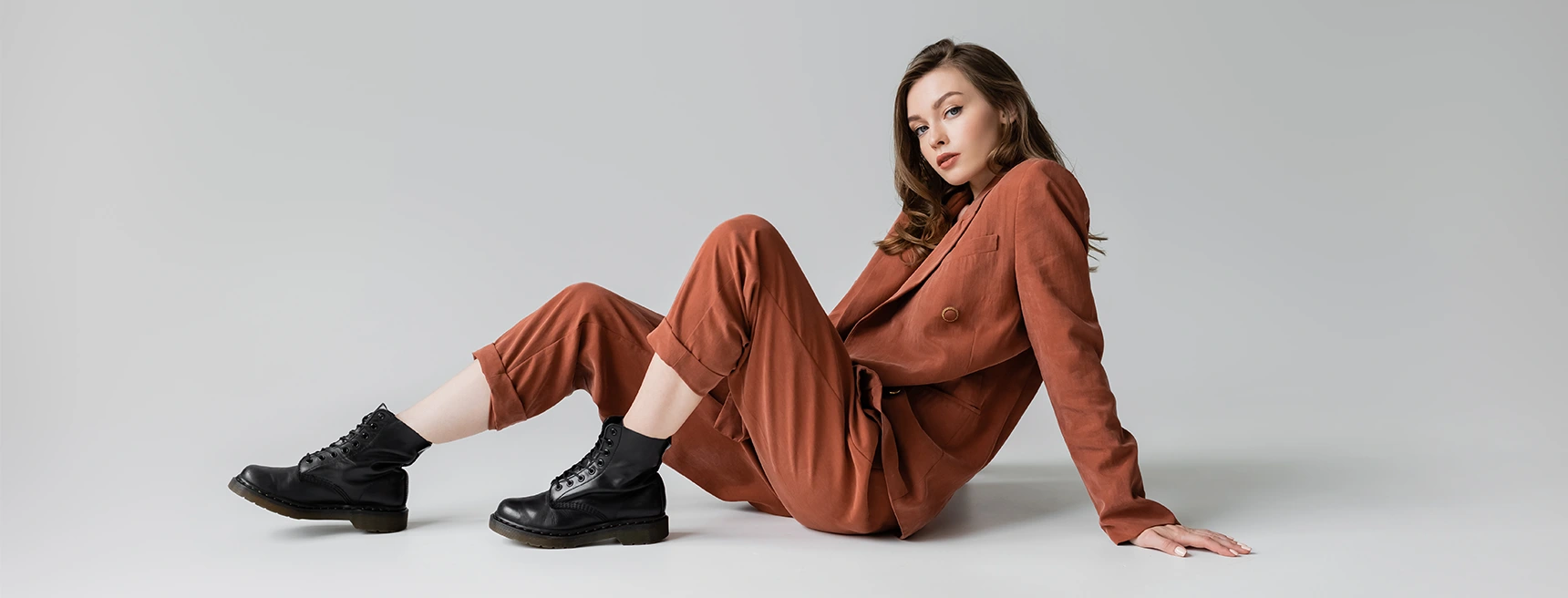
The fashion industry continually evolves, shifting between minimalist aesthetics and bold avant-garde statements. Seasonal collections, ranging from haute couture to ready-to-wear, shape the silhouettes, color palettes, and fabric textures featured in fashion editorials and runway presentations. Understanding these fashion trends helps models adapt their professional lookbooks and prepare for casting opportunities. Staying informed means examining designer visions, observing emerging influences in street style, and recognizing how historical fashion references reappear in contemporary collections. This knowledge helps a model interpret the visual identity a fashion brand wants to communicate through an advertising campaign.
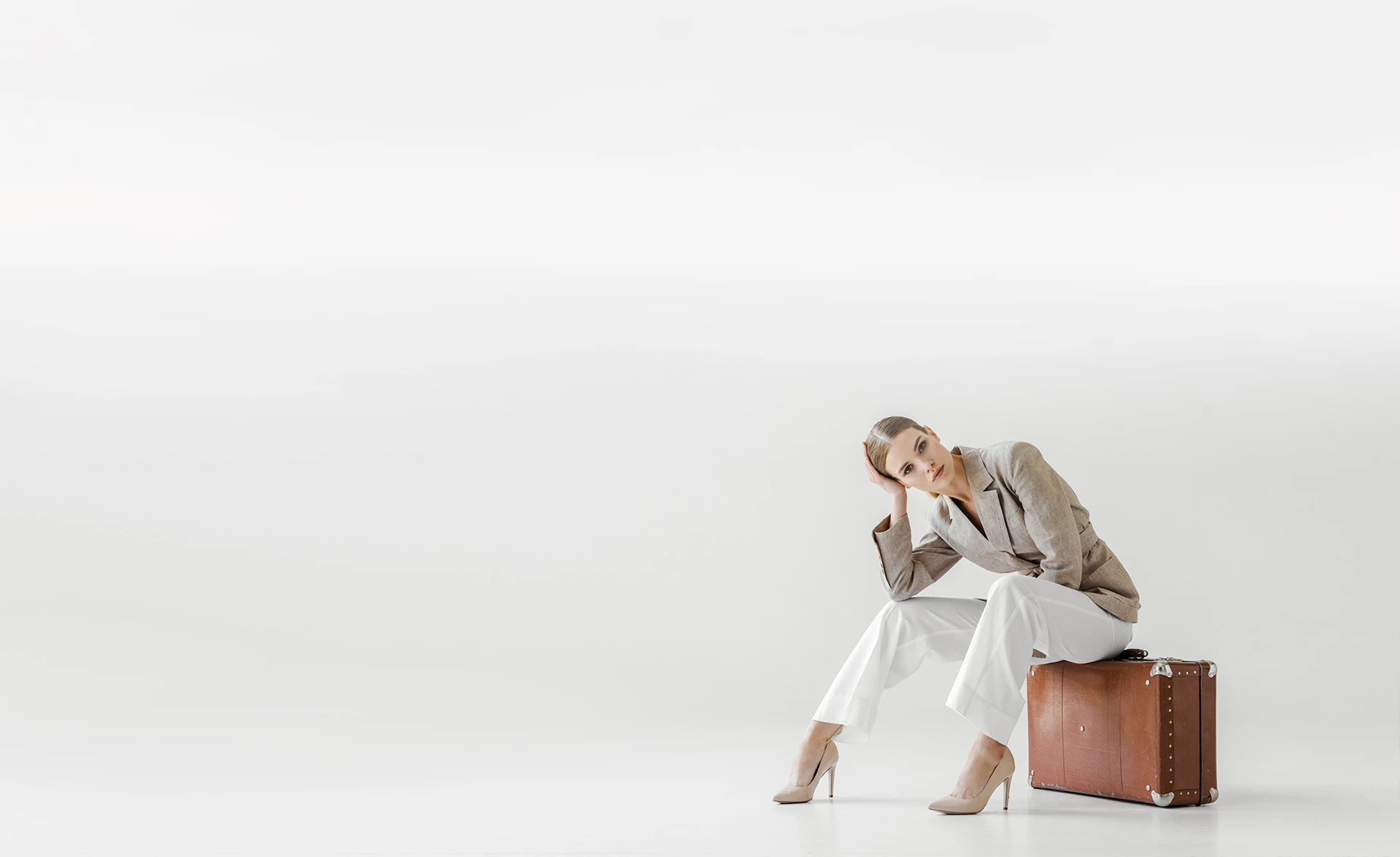
The Discipline Behind the Polished Image
A professional modeling career extends far beyond photoshoots and runway appearances. It involves coordinating a demanding schedule of casting appointments, go-sees, garment fittings, and frequent travel across different time zones, requiring adaptability, resilience, and strong organizational skills.
Building a strong personal brand requires ongoing professional networking and a carefully managed social media presence that reflects a model’s professional identity and career objectives. Financial planning and the ability to understand modeling contracts are essential aspects of career management. This professional lifestyle demands a balance between creative work and business responsibilities, with healthy eating habits, adequate rest, and personal discipline supporting consistent performance at auditions and assignments. Long-term career development also depends on understanding the commercial realities of the modeling industry and approaching professional relationships with sound judgment.
Achieving a Flawless and Radiant Complexion
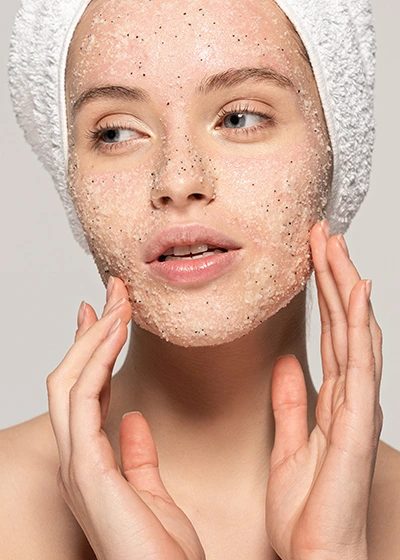
For a model, healthy skin provides a foundation for professional makeup and beauty photography. A consistent skincare routine, incorporating gentle cleansing, targeted hydration, and appropriate skin protection, helps maintain skin comfort and appearance despite frequent makeup applications and travel.
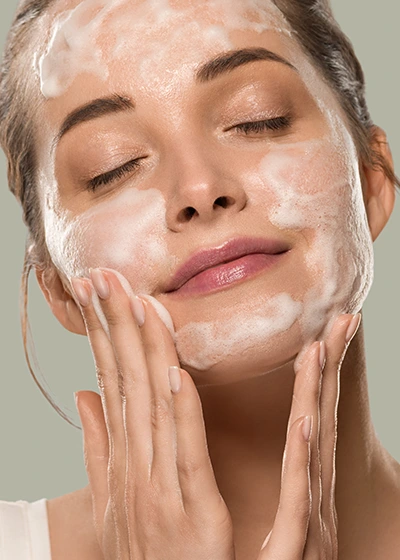
Foundational Daily Cleansing
The Importance of Targeted Hydration
Serums and Treatments
The Role of Regular Exfoliation
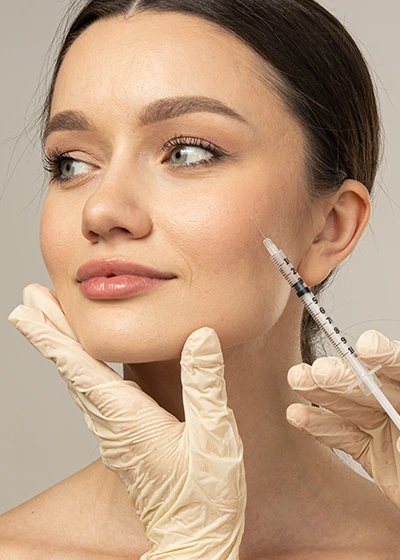
Protection From Environment
Professional Facials and Specialized Care
Sculpting and Maintaining Physical Well-being
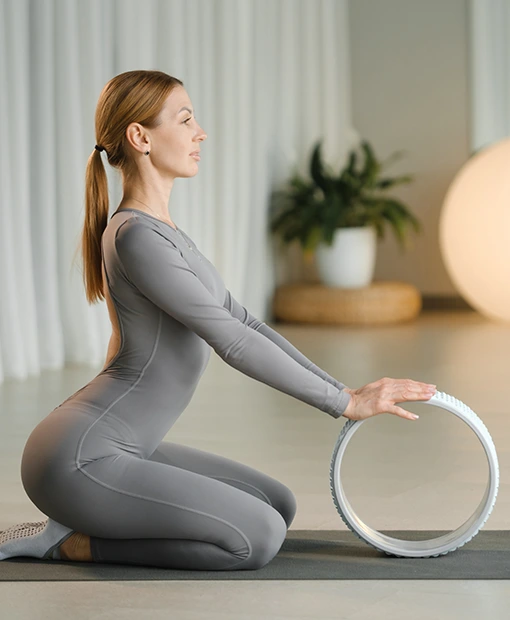
Physical well-being plays an important role in a model’s ability to handle professional assignments. A balanced fitness routine emphasizes muscular strength, posture, mobility, and stamina rather than focusing exclusively on body shape, helping models manage long photoshoots and maintain control during runway walks. Training may combine Pilates for core strength, yoga for flexibility and balance, and moderate cardiovascular exercise to develop endurance. A balanced diet, providing varied nutrients, supports everyday energy needs alongside overall skin and hair health. A complete body care routine also includes regular moisturizing and protection against environmental exposure.
The Versatility of Professional Hair Looks
1. The Effortless, Natural Wave
Frequently used in commercial photography and lifestyle shoots, natural waves can be created with a texturizing spray and limited heat styling to achieve soft movement and a relaxed, flowing finish.
2. The Polished, High-Fashion Ponytail
A sleek ponytail is a familiar choice in runway styling, creating a structured hair silhouette that highlights facial features and draws attention to the neckline of a garment.
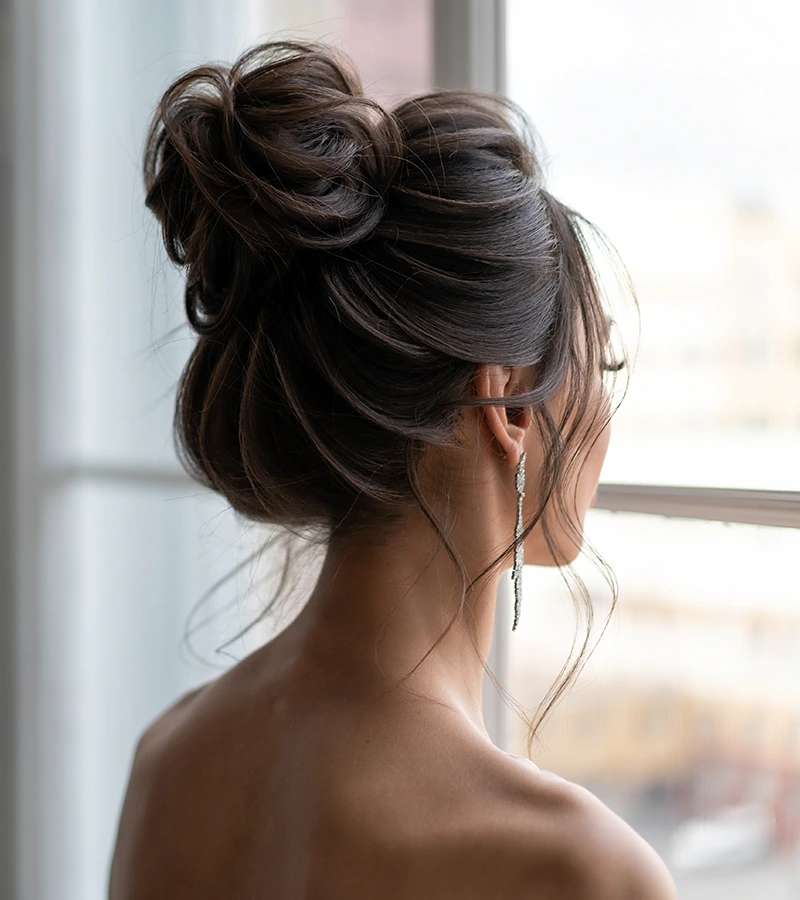
3. The Textured, Editorial Updo
Common in avant-garde fashion editorials, a textured updo uses creative hair sculpting, contrasting textures, and carefully arranged volumes to complement the visual direction of a photoshoot.
Completing the Look with Key Elements
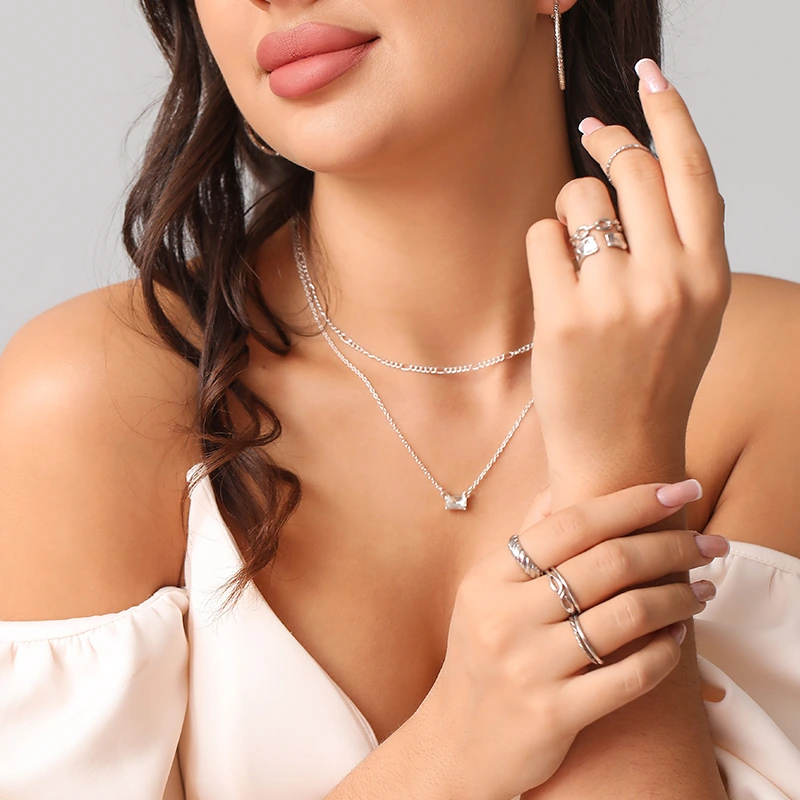
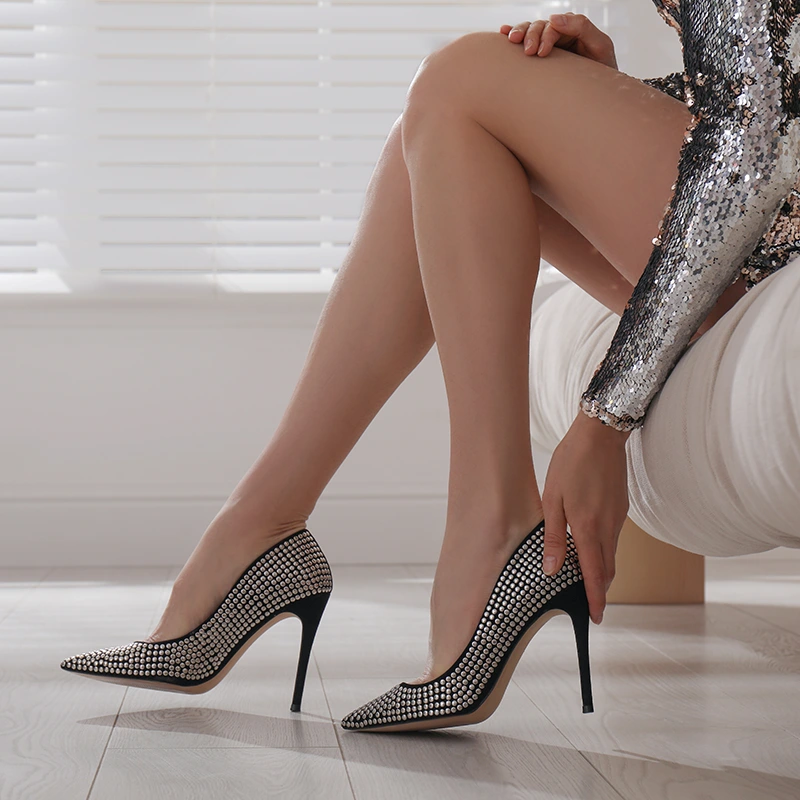
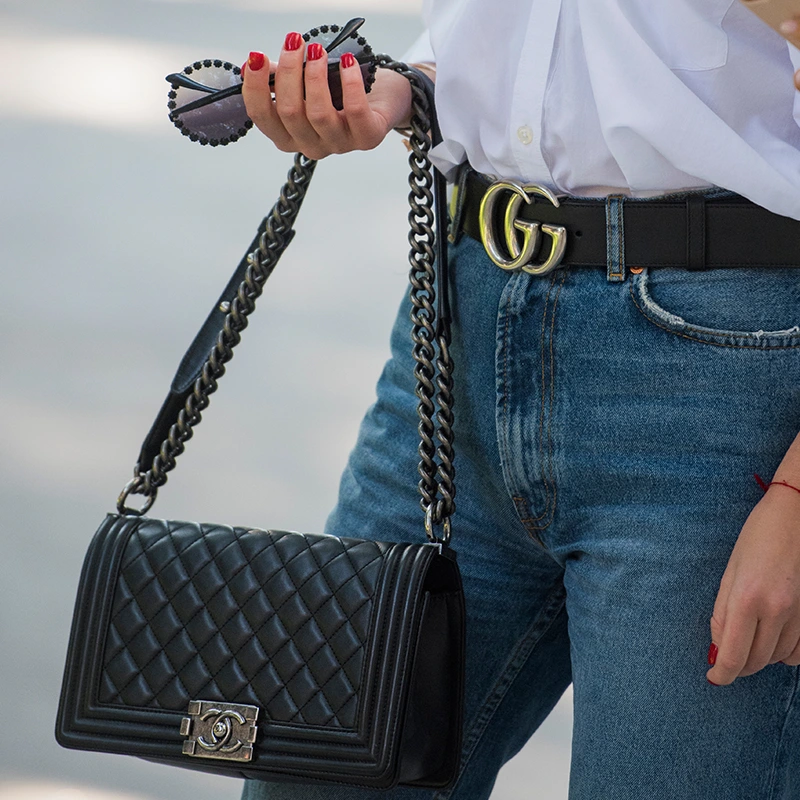
Effective fashion styling depends on the thoughtful coordination of garments and accessories. Statement jewelry, footwear, handbags, and belts contribute to the overall visual balance of an outfit, shaping its character from understated elegance to expressive maximalist styling.
The Impact of Statement Jewelry
The Functional Elegance of Footwear
The Role of Handbags and Belts

The Synthesis of Art and Commerce
Ultimately, building a sustainable modeling career requires a combination of creative abilities, professional reliability, and practical industry knowledge. Models must interpret fashion concepts, maintain their physical well-being, collaborate with creative teams, and develop a recognizable professional identity. Each element, from a skincare routine to a professional modeling portfolio, contributes to the overall presentation of their skills and versatility. This integrated approach connects artistic performance with professional development, while adaptability, preparation, and effective creative collaboration support long-term opportunities in the modeling industry.